Amami Oshima: A Foreigner's Guide to Japan's Hidden Island Gem
Discover why Amami Oshima—a subtropical island south of mainland Japan—is becoming the must-visit destination for travelers seeking pristine nature, living traditions, and authentic local experiences.
Amami Oshima: A Foreigner's Guide to Japan's Hidden Island Gem
Amami Oshima, part of the UNESCO-designated Amamigunto National Park, offers something increasingly rare in modern Japan: authentic encounters with nature, living craft traditions, and genuine local hospitality. Located in Kagoshima Prefecture between Okinawa and mainland Japan, this subtropical island has spent centuries navigating geopolitical change while fiercely protecting both its environment and cultural heritage. Whether you're an adventurer, foodie, or culture enthusiast, a well-planned 2–3 day trip can give you a meaningful taste of what makes this island special.
Day 1: Mangroves, Wildlife, and Sunset
Start your visit at the Amami Oshima World Heritage Center, conveniently located near the airport. The interactive exhibits are excellent for understanding what makes the island ecologically significant—particularly the endemic Amami rabbit, found nowhere else on Earth except neighboring Tokunoshima Island. Staff can help you arrange guided eco-tours in English.
Your first afternoon should be spent kayaking through the mangrove forest at low tide. This is not a passive activity: you'll paddle through narrow channels, observe the exposed root systems, and spot small creatures like fiddler crabs (recognizable by one oversized pincer), mud skippers that can breathe air, and the rare Ryukyu ayu fish. Hiring a certified English-speaking eco-guide transforms the experience from pleasant to truly memorable—their knowledge of local flora, fauna, and conservation efforts deepens your appreciation significantly.
Practical tip: Book kayak tours in advance through your accommodation or the World Heritage Center. Wear quick-dry clothes and bring a waterproof bag for valuables. The tide comes in faster than you'd expect, so listen carefully to your guide's instructions about boat placement.
End your first day watching the sunset from a coastal vantage point, perhaps while sharing drinks with local fishermen—a daily ritual you're now part of. Many guesthouses offer beachside dinners; this is when you'll get your first taste of keihan (chicken and rice), a local specialty with deep historical roots.
Day 2: Cycling, Mountains, and the Amami Rabbit Comeback
After breakfast featuring keihan—a dish originally prepared for visiting officials centuries ago, now loaded with chicken, omelet, mushrooms, ginger, and pickled papaya—you'll tackle the island's interior on an electric bike.
The route takes you through subtropical forest to the base of Mt. Yuwandake (694 meters), Amami's highest peak. E-bikes make the steep coastal climbs manageable for most fitness levels. Along the way, you'll stop at Hiratomi Shrine, dedicated to a smuggler who risked execution to bring sugarcane cultivation to the islands—a reminder that Amami's history involves both hardship and ingenious survival.
As you climb into the "cloud forest," your guide will point out Amami rabbit droppings. The rabbit's recovery story is genuinely inspiring: after the destructive small Indian mongoose was introduced in 1979, a government program ("Mongoose Busters") deployed over 30,000 traps and trained detection dogs. By September 2024, the mongoose was officially eradicated. The Amami rabbit is now a protected natural monument.
The final 30-minute walk to the summit follows well-maintained wooden stairs. From the top, you'll see both the East China Sea and Pacific Ocean. After descending, soak your tired legs in a local public bath—a standard practice in Japanese towns—then explore Naze, the main port town.
Evening experience: Dine at a local izakaya where you might catch a performance by folk singers playing the shamisen (traditional three-string instrument). These intimate performances often blend locals and visitors naturally.
Day 3: Traditional Crafts and Local Spirits
Spend your final day immersed in Amami's artisanal heritage. Oshima Tsumugi—hand-dyed, hand-woven silk fabric—is the island's most celebrated craft. Visiting a traditional weaving factory, you'll observe artisans using 350 types of threads to create intricate patterns, with one kimono taking up to two months to complete.
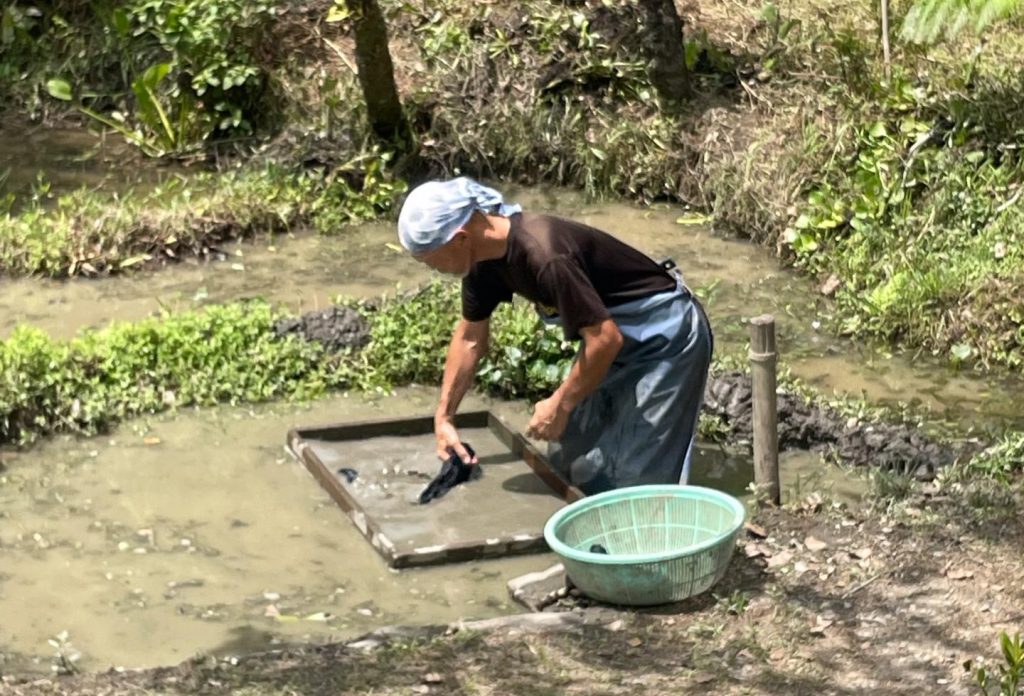
More fun for visitors is trying mud-dyeing yourself at a family-run facility:
Choose or create your tie-dye design
Tie fabric sections with thin string
Soak the fabric in purplish dye made from boiled teichi wood (local Hawthorne)
Repeat soaking and rinsing to deepen the color
Soak in iron-rich mud from nearby fields, which reacts chemically with the dye to create dark, earthy tones
You'll leave with an authentic, handmade souvenir that tells a real story.
Before departing, visit a small kokuto shochu (black sugar liquor) distillery. Amami has exclusive rights in Japan to produce this spirit, a quirk of postwar law that transformed the very crop that once oppressed islanders into a source of pride. Tomita Shuzosho, founded in 1951, still uses earthenware pots from over 70 years ago and original yeast strains—traditions passed down through three generations.
Planning Your Visit
Access: Fly into Kagoshima, then take a ferry or small plane to Amami Oshima. Journey time is 45 minutes to 2 hours depending on method.
Best timing: Avoid typhoon season (August–September). Spring and autumn offer ideal weather.
Language: English-speaking guides are available but should be booked ahead. Guesthouses and restaurants in Naze are accustomed to foreign visitors.
Costs: Budget for accommodation ($50–120/night), meals ($15–30/day), activities ($40–80 per activity), and transportation. Guided tours bundle these efficiently.
Amami Oshima rewards curiosity and time. Even a short visit connects you to something increasingly rare: a place where ancient traditions, thriving ecosystems, and genuine human warmth still exist together.
Source: Outdoor Japan